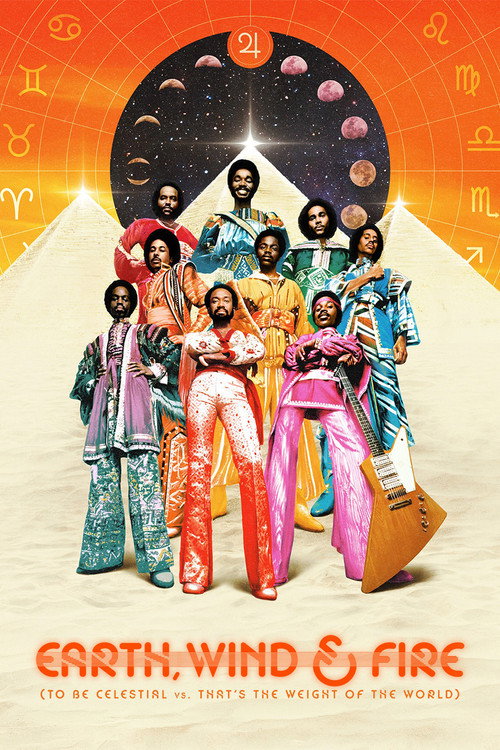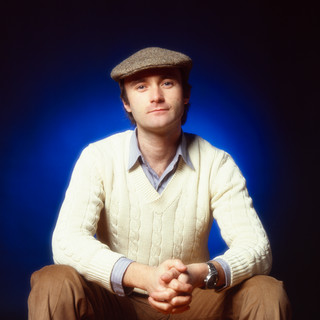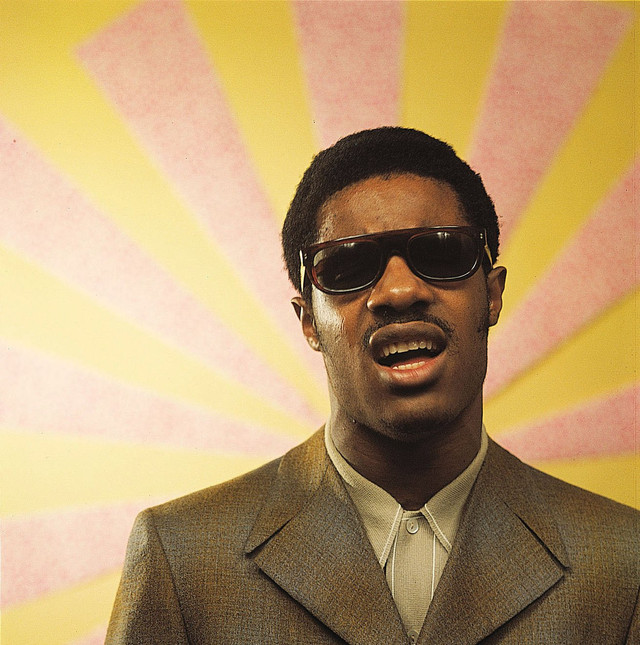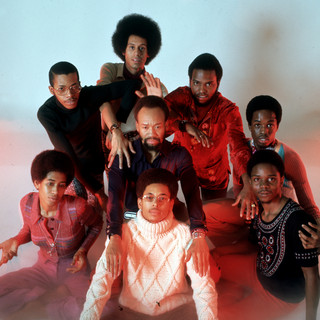
Maurice reconnects with siblings, carrying abandonment and guarded family feelings.
Maurice moves to Chicago and enrolls in the conservatory.
Maurice drums at Chess Records amid Chicago’s soul scene.
Chicago’s Black Arts Movement reframes Black identity through Africa.
Maurice leaves Ramsey Lewis after visualizing Earth, Wind & Fire.
In band footage, Maurice White names Earth, Wind & Fire.
Early Earth, Wind & Fire experiments, struggles, and clashes over leadership.
Maurice rebuilds the band with Verdine, Ralph, and Philip.
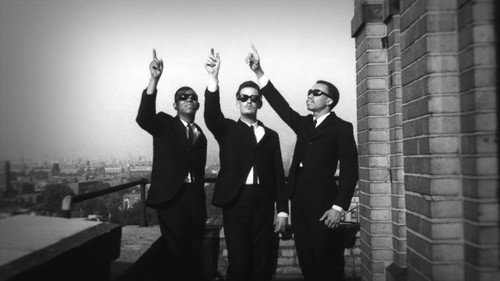
At Uptown Theatre, Earth, Wind & Fire stands apart from doo-wop acts.
The revamped band wins over the crowd with a funk groove.
Interviewees say Maurice had to be tough leading Black musicians.
Maurice calls Bob Cavallo, who checks out the band.
Bob Cavallo agrees to manage Earth, Wind & Fire.
In concert footage, Earth, Wind & Fire perform after signing with Columbia.
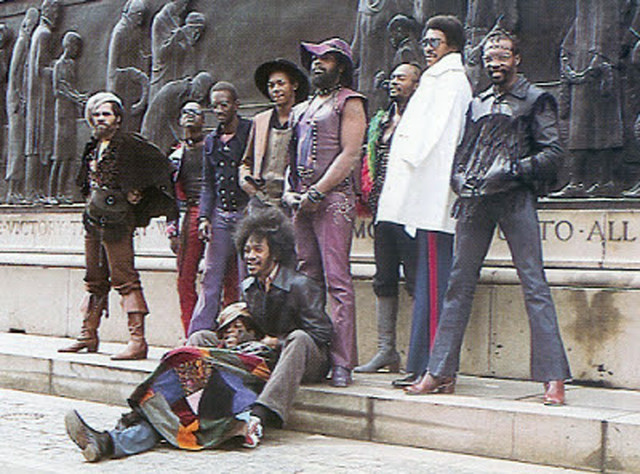
At Washington Armory, Funkadelic performs while members recount losing the crowd.
Musicians tighten grooves before “Mighty Mighty” breaks on Black radio.
Archival performance plays “Time Is On Your Side” with cosmic uplift.
TV exposure boosts Earth, Wind & Fire’s mainstream crossover confidence.
Interviewees praise “That’s the Way of the World” as spiritual gospel.
Caribou Ranch inspires Maurice to write “Shining Star.”
The band and engineer build “Shining Star” into a roaring mix.
“I Wish” plays as artists connect its sound to Earth, Wind & Fire.
Commentators explain how “Shining Star” gave listeners positive affirmations.
“Sing a Song” marks growing crowds, headline shows, and global appeal.
Earth, Wind & Fire wins a Grammy and adds the Phenix Horns.
The band records Spirit just before Charles Stepney’s death news arrives.
Maurice discusses astral projection and aliens inspiring “Fantasy.”
Bill Whitten’s Africa-and-space costumes transform the band’s look.
George Faison choreographs the All ’N All tour’s theatrical staging.
The band rehearses dangerous magic-and-dance staging for six months.
In concert footage, Earth, Wind & Fire perform.
Prince and Michael Jackson study Earth, Wind & Fire’s live show.
“Reasons” plays while speakers joke it is just a sex call.
Maurice’s partner describes their commitment, baby, and his distant fatherhood.
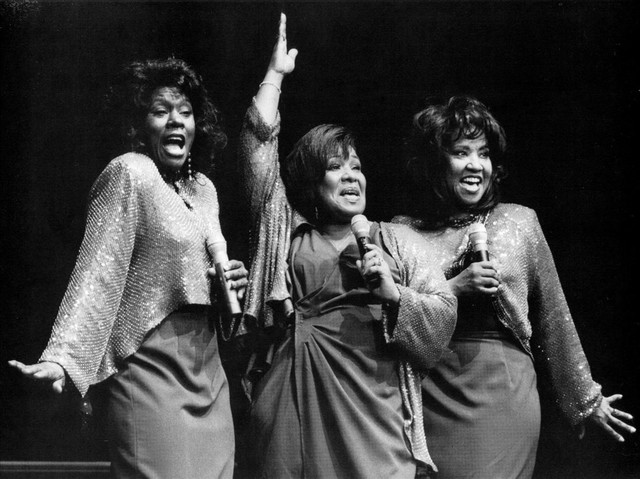
The Emotions’ “Best of My Love” highlights Maurice’s production touch.
“Boogie Wonderland” shows the band’s one serious disco move.
David Foster helps write I Am and brings sharper studio energy.
In concert and interviews, Maurice White’s family discuss his affairs and children.
Maurice’s family trauma keeps his emotional door partly closed.
“Let’s Groove” bridges Earth, Wind & Fire into the eighties.
Later albums chase commercial trends as critics miss the old groove.
Maurice promotes his solo “Stand By Me” after the band’s slump.
Philip Bailey’s solo hit “Easy Lover” succeeds without band support.
Earth, Wind & Fire reunites, tours, and promises a second coming.
“Shining Star” appears in film before hip-hop sampling discussion.
Artists describe Earth, Wind & Fire shaping younger musical generations.
Crowds cheer as Maurice’s weakening health becomes clear.
“September” becomes a universal party anthem tied to family gatherings.
End credits
Official Trailer | HBO
Official Trailer | HBO
C'mon, there's no such thing as a stupid question. Get the ball rolling and be the first.
WhatSong is the worlds largest collection of movie & tv show soundtracks and playlists.
© 2026 WhatSong Soundtracks. All rights reserved. v5.15.0